Καλάθι
Cart Icon
(0)
Καλάθι αγορών
Δεν υπάρχουν προϊόντα στο καλάθι σας.
Εναλλακτικά

  • Αρχική
  • ΙΑΤΡΙΚΗ
  • Reinventing Clinical Decision Support: Data Analytics, Artificial Intelligence, and Diagnostic Reasoning
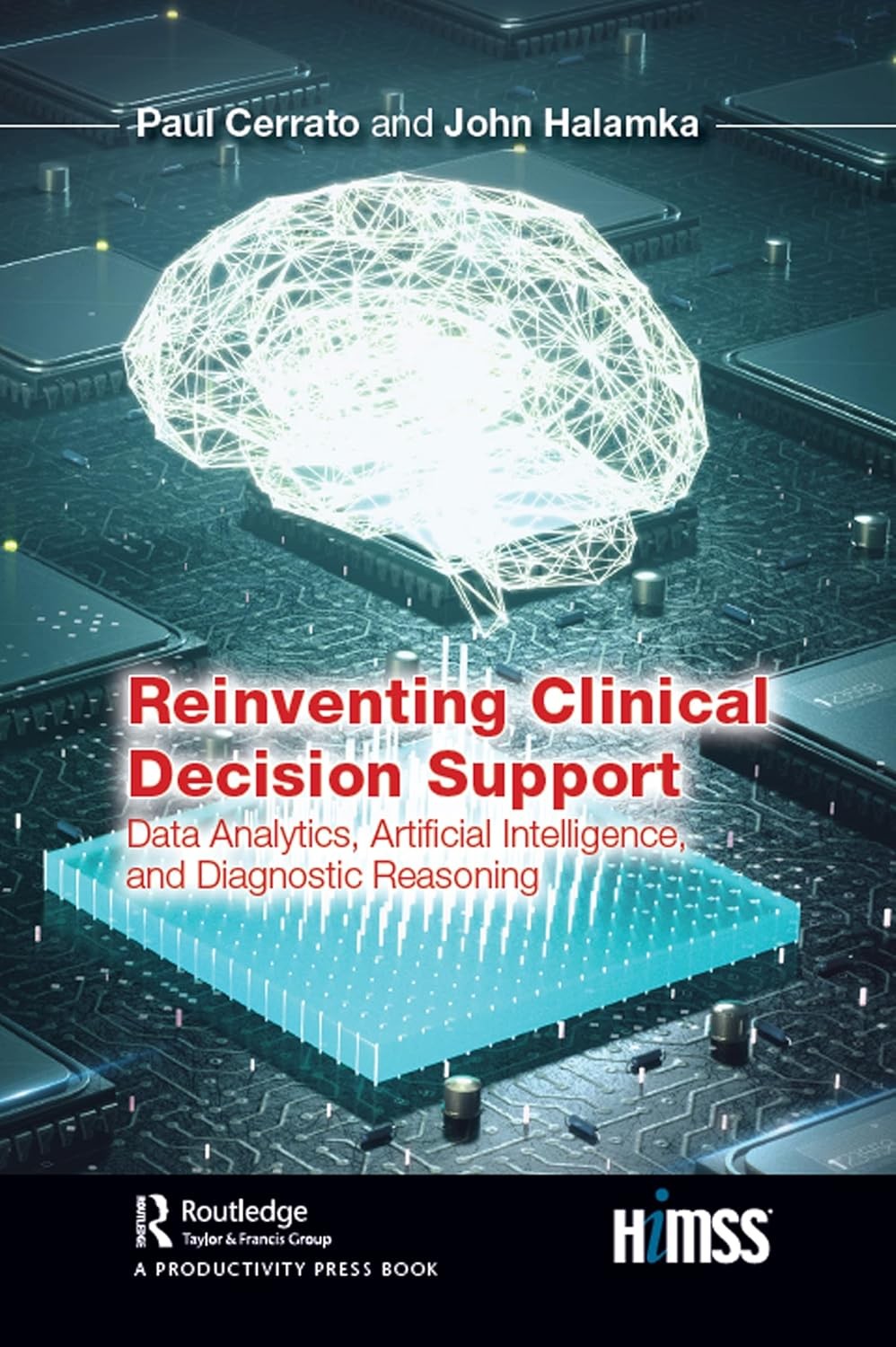
Reinventing Clinical Decision Support: Data Analytics, Artificial Intelligence, and Diagnostic Reasoning
- 10%

Reinventing Clinical Decision Support: Data Analytics, Artificial Intelligence, and Diagnostic Reasoning

ISBN: 9780367186234
65,00 €
Τιμή πώλησης με έκπτωση
58,50 €
Με Φ.Π.Α.
Έκδοση
Έτος Έκδοσης
Εξώφυλλο


here rest Κατόπιν Παραγγελίας / Διαθέσιμο σε 20 - 25 ημέρες

Λεπτομέρειες

This book takes an in-depth look at the emerging technologies that are transforming the way clinicians manage patients, while at the same time emphasizing that the best practitioners use both artificial and human intelligence to make decisions. AI and machine learning are explored at length, with plain clinical English explanations of convolutional neural networks, back propagation, and digital image analysis. Real-world examples of how these tools are being employed are also discussed, including their value in diagnosing diabetic retinopathy, melanoma, breast cancer, cancer metastasis, and colorectal cancer, as well as in managing severe sepsis. With all the enthusiasm about AI and machine learning, it was also necessary to outline some of criticisms, obstacles, and limitations of these new tools. Among the criticisms discussed: the relative lack of hard scientific evidence supporting some of the latest algorithms and the so-called black box problem. A chapter on data analytics takes a deep dive into new ways to conduct subgroup analysis and how it’s forcing healthcare executives to rethink the way they apply the results of large clinical trials to everyday medical practice. This re-evaluation is slowly affecting the way diabetes, heart disease, hypertension, and cancer are treated. The research discussed also suggests that data analytics will impact emergency medicine, medication management, and healthcare costs. An examination of the diagnostic reasoning process itself looks at how diagnostic errors are measured, what technological and cognitive errors are to blame, and what solutions are most likely to improve the process. It explores Type 1 and Type 2 reasoning methods; cognitive mistakes like availability bias, affective bias, and anchoring; and potential solutions such as the Human Diagnosis Project. Finally, the book explores the role of systems biology and precision medicine in clinical decision support and provides several case studies of how next generation AI is transforming patient care.
Συγγραφέας
Paul Cerrato, John Halamka
Eκδότης
Taylor & Francis Ltd
Σελίδες
182
el_gr
Έκδοση
Αγγλική Έκδοση
el_gr
Έτος Έκδοσης
2019
el_gr
Εξώφυλλο
Μαλακό Εξώφυλλο
Διαστάσεις
165.1 x 247.7 mm
  • Μεταφορές - Επιστροφές
  • Αρχεία

Περιγραφή Προϊόντος

This book takes an in-depth look at the emerging technologies that are transforming the way clinicians manage patients, while at the same time emphasizing that the best practitioners use both artificial and human intelligence to make decisions. AI and machine learning are explored at length, with plain clinical English explanations of convolutional neural networks, back propagation, and digital image analysis. Real-world examples of how these tools are being employed are also discussed, including their value in diagnosing diabetic retinopathy, melanoma, breast cancer, cancer metastasis, and colorectal cancer, as well as in managing severe sepsis. With all the enthusiasm about AI and machine learning, it was also necessary to outline some of criticisms, obstacles, and limitations of these new tools. Among the criticisms discussed: the relative lack of hard scientific evidence supporting some of the latest algorithms and the so-called black box problem. A chapter on data analytics takes a deep dive into new ways to conduct subgroup analysis and how it’s forcing healthcare executives to rethink the way they apply the results of large clinical trials to everyday medical practice. This re-evaluation is slowly affecting the way diabetes, heart disease, hypertension, and cancer are treated. The research discussed also suggests that data analytics will impact emergency medicine, medication management, and healthcare costs. An examination of the diagnostic reasoning process itself looks at how diagnostic errors are measured, what technological and cognitive errors are to blame, and what solutions are most likely to improve the process. It explores Type 1 and Type 2 reasoning methods; cognitive mistakes like availability bias, affective bias, and anchoring; and potential solutions such as the Human Diagnosis Project. Finally, the book explores the role of systems biology and precision medicine in clinical decision support and provides several case studies of how next generation AI is transforming patient care.
close
espa logo

test

Μεταφορές - Επιστροφές

Επιστροφές

ΠΟΛΙΤΙΚΗ ΕΠΙΣΤΡΟΦΩΝ

Στόχος μας είναι να εξασφαλίσουμε την απόλυτη ικανοποίησή σας. Αν για οποιονδήποτε λόγω, δεν μείνετε ευχαριστημένοι από την παραγγελία σας, μπορείτε να ασκήσετε το δικαίωμά σας να επιστρέψετε μέρος ή όλα τα προϊόντα που αγοράσατε εντός δεκατεσσάρων (14) ημερών από την ημερομηνία παραλαβής. Αν δεν υπάρχει διαθέσιμο

το ανάλογο προϊόν που επιθυμείτε, το ποσό διαφοράς που προκύπτει διατηρείται στον λογαριασμό σας για να το χρησιμοποιήσετε για μία άλλη αγορά. Θα γίνεται αποδεκτή μόνο η επιστροφή των προϊόντων που βρίσκονται σε άριστη κατάσταση. Παρακαλώ, σημειώστε ότι η αποστολή του μη επιθυμητού προϊόντος γίνεται με εταιρεία courier με χρέωση της εταιρίας μας. Η αποστολή του νέου προϊόντος γίνεται μέσω εταιρεία courier με χρέωση πελάτη.

ΕΛΛΑΤΩΜΑΤΙΚΟ ΠΡΟΙΟΝ

Στην περίπτωση που λάβετε ένα ελαττωματικό ή κατεστραμμένο προϊόν το βιβλιοπωλείο μας θα καταβάλλει κάθε προσπάθεια για να αντικατασταθεί με ένα ίδιο ή παρόμοιο προϊόν χωρίς κάποιο επιπλέον κόστος για σας.
Παρακαλούμε επικοινωνήστε μαζί μας με e-mail στο ipokratis@ipokratis.gr ή στο 2310212212 για περαιτέρω διευκρινήσεις.

.
close
espa logo

test
